National Anthem Comparison
Niue vs New Zealand
Niue
Ko e Iki he Lagi
New Zealand
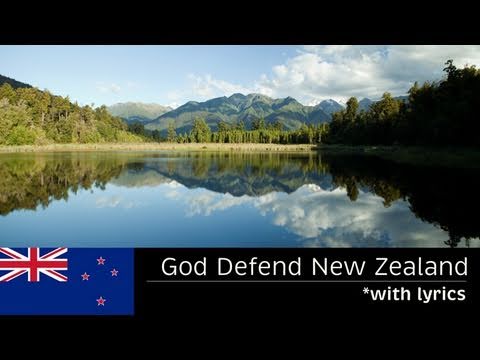
God Defend New Zealand
Comparison Analysis
Niue and New Zealand, both Oceania nations, take distinct approaches to their national anthems. Niue's "Ko e Iki he Lagi" was written in 1963, while New Zealand's "God Defend New Zealand" dates to 1876.
Both anthems share themes of God / Faith. Niue additionally explores Identity and Love of homeland, while New Zealand also touches on Nature, Peace, Freedom and Diversity.
Both anthems carry a Prayerful tone, creating a similar emotional register despite their geographic distance.
New Zealand's anthem predates Niue's by 87 years, having been written in 1876 compared to 1963.
Niue changed its national anthem in 1974, reflecting a shift in the nation's identity or political landscape.
Shared themes
Niue
New Zealand
Shared themes:
Metadata
| Niue | New Zealand | |
|---|---|---|
| Written | 1963 | 1876 |
| Adopted | 1974 | 1977 |
| Lyricist | Unknown | Thomas Bracken |
| Composer | Unknown; prepared by Sioeli Fusikata | John Joseph Woods |
| Language | niu | mi,en |
| Region | Polynesia | Polynesia |
Lyrics Side by Side
Niue
Ko e Iki he Lagi
Original
Translation
New Zealand
God Defend New Zealand
Original
Interesting facts
Niue
- 1. The author of the words and the composer of the music are both unknown; it is only recorded that Sioeli Fusikata prepared, or set down, the music.
- 2. The song was already well loved enough that Niue used it as its identifying tune at the 1963 South Pacific Games in place of "God Defend New Zealand".
- 3. It was adopted as the national anthem in 1974, the year the Niue Constitution Act granted Niue free association with New Zealand.
- 4. The entire anthem is built around a single repeated refrain, "ki Niue nei" ("over Niue"), affirming God's rule over the island.
New Zealand
- 1. The anthem exists in five different language versions: English, Maori, Samoan, Tongan, and New Zealand Sign Language, reflecting the country's Pacific identity.
- 2. At the 2011 Rugby World Cup final in Auckland, the crowd of over 60,000 spontaneously sang the anthem so powerfully that the sound system was drowned out.
- 3. The Maori version is not a direct translation of the English text; it is an independent composition by Thomas Henry Smith that carries its own distinct meaning and imagery.
Listen
Niue

New Zealand